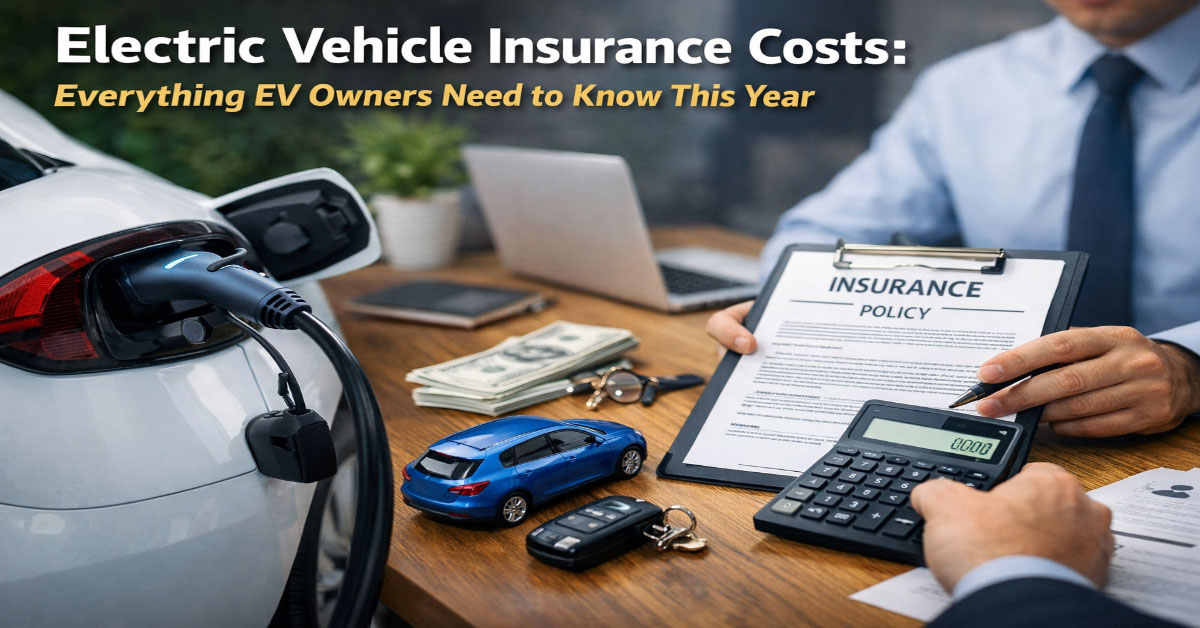
Electric vehicles have reached mainstream adoption in 2026. Charging infrastructure has expanded dramatically, range anxiety has faded for most use cases, and purchase prices have moved toward parity with gasoline vehicles for many mainstream models. But one area where EV ownership continues to surprise buyers is insurance. On average, insuring an electric vehicle costs 49 percent more per year than insuring a comparable gasoline-powered vehicle, according to Insurify data compiled from over 97 million insurance quotes. That translates to an average of $1,326 in additional annual cost.
The good news is the gap is narrowing. In 2026, the EV insurance premium over comparable gas vehicles has declined from prior-year levels for mainstream models as the EV repair market matures, more insurers accumulate EV-specific actuarial data, and certified repair networks expand. But for current EV owners and prospective buyers, understanding why the premium is higher and how to minimize it remains practically important.
In This Article
Why EV Insurance Costs More Than Gas Car Insurance
The Battery Pack: The Most Expensive Single Component
The lithium-ion battery pack is the most valuable and most expensive-to-replace component of any electric vehicle. Depending on the vehicle make, model, and battery capacity, replacement battery packs range from approximately $4,000 for smaller economy EVs to $20,000 or more for performance vehicles with large capacity battery systems. The battery typically accounts for 30 to 50 percent of a new EV's total manufacturing cost.
From an insurance perspective, any damage that affects the battery pack dramatically increases claim costs. A moderate-speed front or rear collision that produces a $3,000 to $5,000 repair on a conventional vehicle can produce a $15,000 to $30,000 repair on an EV if the impact compromises the battery module or requires battery-adjacent structural repairs with the battery removed for safety. Many insurers find that EVs are totaled at lower damage thresholds than equivalent gas vehicles because the cost of repair relative to the vehicle's remaining value crosses the total-loss threshold sooner.
Specialized Repair Requirements and Limited Shop Availability
EVs require certified technicians with specialized training in high-voltage systems. Working on a vehicle with a 400 to 800 volt battery pack requires safety certifications and specialized tools that most traditional auto repair shops do not have. The number of certified EV repair facilities, while growing rapidly, remains substantially lower than the network of shops capable of repairing conventional vehicles in most markets.
Limited repair capacity creates two compounding problems for insurance cost. First, certified shops charge premium labor rates because they face less competition than conventional shops. Second, repair queue times are longer, meaning EV owners on rental car coverage incur more rental reimbursement cost while their vehicle awaits an available certified repair appointment. Both factors flow directly into higher claims costs and from there into higher premiums.
Proprietary Parts and Manufacturer Repair Networks
Tesla operates a largely proprietary repair and parts supply ecosystem. Tesla body panels, electronic components, and structural parts are sourced almost exclusively through Tesla's own distribution network rather than the broad aftermarket parts market that supplies most conventional vehicle repairs. This limits competitive pricing pressure on parts costs and keeps Tesla repair expenses consistently higher than comparable conventional vehicle repairs. Other EV manufacturers are less restrictive but still newer to the aftermarket parts ecosystem. As EVs age and aftermarket supply chains develop for older model years, this will become a less significant cost driver, but it remains meaningful in 2026.
Higher Vehicle Purchase Prices
Despite considerable progress toward price parity, most EVs still carry a purchase price premium over comparable gasoline vehicles. Higher vehicle value means higher comprehensive and collision premiums because the cost of replacing a totaled vehicle scales with the vehicle's market value. A $45,000 EV costs more to replace than a $35,000 gas equivalent, and that differential is reflected directly in insurance pricing for the physical damage coverages.
Advanced Electronics and Sensor Systems
EVs are typically among the most technology-dense vehicles on the road. Sensors, cameras, radar systems, and computing hardware required for advanced driver assistance systems and over-the-air software updates create complex and expensive repair scenarios when damaged. A sensor array embedded in a front bumper fascia that costs $400 on a conventional vehicle can cost $1,800 to $3,500 on a technology-intensive EV with integrated ADAS systems. Camera calibration after a collision adding sensor replacement adds $200 to $500 in labor cost alone to what might otherwise be a straightforward repair.
EV vs Gas Car Insurance: 2026 Cost Data
Cheapest EVs to Insure in 2026
Not all electric vehicles are equally expensive to insure. The cost difference between the cheapest and most expensive EV to insure can exceed $8,000 annually. Mainstream, non-luxury EVs built by established automakers with broad dealer repair networks tend to be the most affordable to insure.
Chevrolet Silverado EV
The Chevrolet Silverado EV holds the distinction of being among the cheapest EVs to insure in 2026 analysis data, at approximately $1,947 per year for full coverage. The Silverado EV benefits from Chevrolet's extensive dealer network with GM-trained technicians capable of EV service, competitive parts pricing through the GM supply chain, and a relatively broad base of certified repair facilities compared to pure-play EV brands.
Hyundai Ioniq 5 and Kia EV6
The Hyundai and Kia EV platforms have produced several models that are at or below the EV average for insurance cost, and in some cases competitive with equivalent gas-powered SUVs from the same brands. The Hyundai dealer network's growing EV certification program and Hyundai's relatively open parts supply approach contribute to competitive repair costs that insurers reflect in lower premiums.
Toyota bZ4X and Subaru Solterra
Toyota's mainstream EV benefits from Toyota's enormous dealer network and reputation for accessible parts and service. Toyota dealers have invested significantly in EV service certification, and the bZ4X's repair profile tends to be more predictable and less expensive than brands with more exclusive service requirements.
Volkswagen ID.4
The VW ID.4 has established a reputation as one of the more insurance-affordable mainstream EVs, with premiums that frequently run at or below the general EV average. Volkswagen's dealer network and its established relationship with insurance carriers through years of conventional vehicle data have helped normalize the ID.4's repair economics from an actuarial standpoint.
Most Expensive EVs to Insure
Audi e-tron Models
Audi's EV lineup, particularly the SQ8 e-tron, carries some of the highest insurance costs in the EV segment. The SQ8 e-tron reached $10,402 per year for full coverage in some market analysis data, the highest in the EV dataset. Premium German engineering, proprietary parts, limited independent repair options, and high vehicle values all contribute to extreme insurance costs. These figures should be part of any cost of ownership calculation for luxury EV shoppers.
Tesla Models
All five Tesla models in comprehensive market analysis exceed $2,800 per year for full coverage, with the Model S and Model X regularly reaching $3,500 to $5,000 per year or higher depending on the market and driver profile. Tesla's proprietary repair ecosystem, high parts costs, and the elevated frequency of insurance claims on Tesla vehicles relative to their miles driven have all contributed to persistently high insurance costs across the Tesla lineup.
Tesla Insurance: A Special Case Worth Evaluating
Tesla launched its own insurance product in California and has since expanded to multiple states. Tesla Insurance uses real-time driving behavior data collected from the vehicle itself to price coverage, with a monthly Safety Score that directly affects premium. Drivers who maintain high Safety Scores through smooth braking, conservative following distances, and minimal hard acceleration events can achieve substantially lower premiums than traditional insurers charge for Tesla vehicles.
Tesla Insurance also has specific knowledge advantages regarding Tesla vehicle repair costs and is building a Tesla-certified repair network in some markets. For Tesla owners who drive carefully and whose vehicles are in good condition, Tesla Insurance is consistently worth getting a quote from and comparing against traditional carrier rates at each renewal.
7 Ways to Reduce Your EV Insurance Premium
1. Get Quotes from Multiple Carriers Including EV-Specialist Insurers
EV pricing varies dramatically between carriers. Some major insurers have invested in EV-specific actuarial expertise and price these vehicles more competitively than others who apply conventional pricing models with generic EV adjustments. Travelers has consistently offered some of the most competitive EV rates among major national carriers. Getting quotes from at least five carriers is even more important for EV owners than for conventional vehicle owners because the pricing spread is wider.
2. Ask About Green Vehicle Discounts
Some insurers offer explicit discounts for hybrid and electric vehicles as part of environmental sustainability initiatives. These are not always prominently advertised. When requesting a quote, ask specifically whether the carrier offers a green vehicle or EV discount. Discounts of 5 to 10 percent have been available through some carriers for EVs, though availability varies by state and carrier.
3. Evaluate Tesla Insurance If You Own a Tesla
As noted above, Tesla's proprietary insurance product is specifically designed for Tesla vehicles and uses real-time vehicle data for pricing. For safe Tesla drivers, this can produce substantially lower premiums than traditional carriers. Get a direct comparison before assuming your traditional insurer offers the best rate.
4. Bundle with Home or Renters Insurance
The multi-policy bundling discount applies to EVs exactly as it does to any vehicle. A 5 to 25 percent multi-policy discount from a carrier where you also hold home or renters insurance can meaningfully offset the EV insurance premium differential. Calculate whether the bundled total beats the sum of best-available separate prices before assuming bundling is always optimal.
5. Enroll in Telematics If Your Driving Profile Qualifies
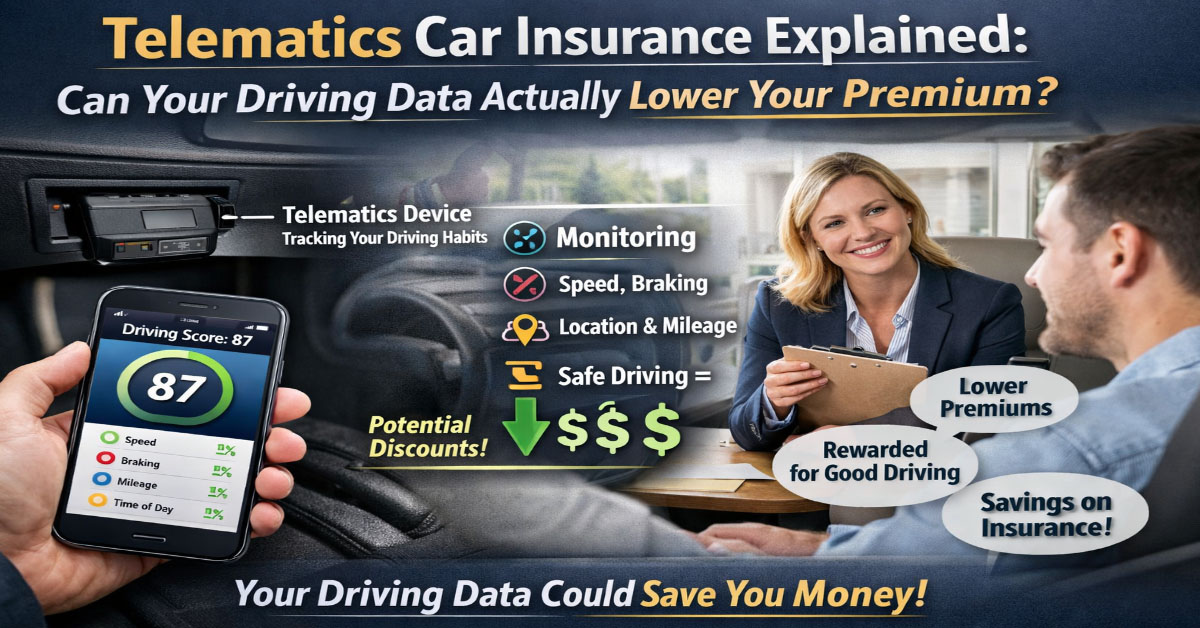
Usage-based insurance programs reward safe, low-mileage, daytime drivers regardless of vehicle type. If your driving profile qualifies for meaningful telematics savings, those savings apply on top of the base EV premium and can partially or fully offset the premium differential versus gas vehicles. Note the regenerative braking consideration and verify that your specific program handles EV braking characteristics accurately before enrolling.
6. Choose a Higher Deductible If You Have the Savings
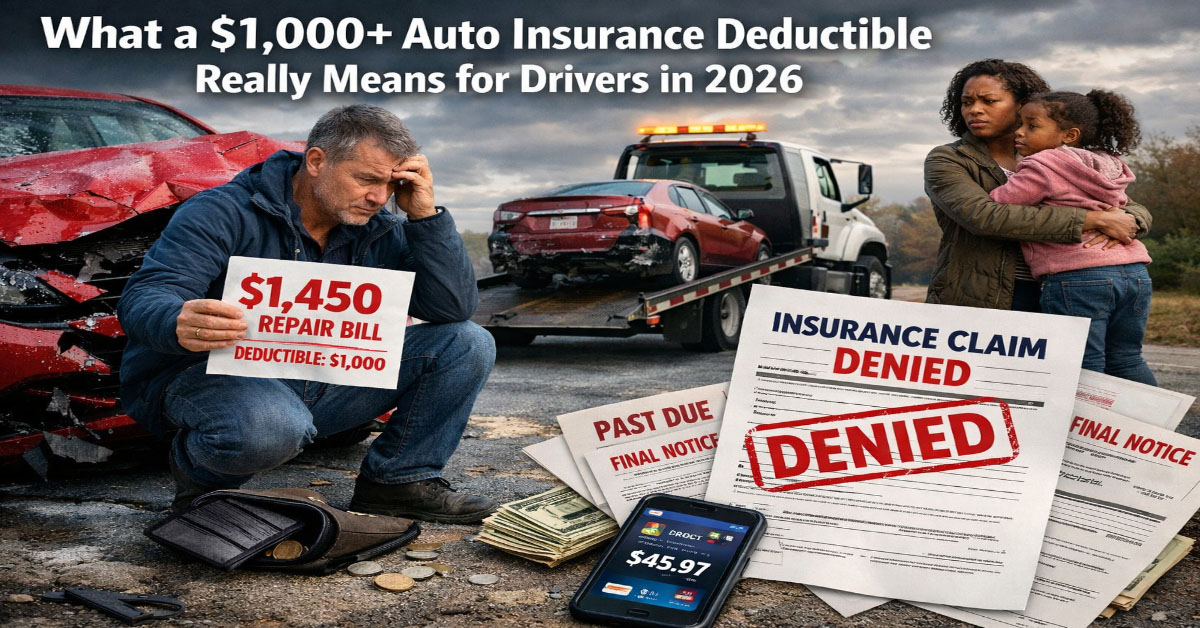
Raising the collision and comprehensive deductible from $500 to $1,000 or $1,500 produces premium savings proportionally similar for EV and gas vehicle owners. Because EV premiums are higher in absolute terms, the dollar savings from raising the deductible are also somewhat larger. If you have sufficient emergency savings to cover the higher deductible comfortably, this is worth evaluating carefully.
7. Review Gap Coverage Needs Annually
EVs depreciate at rates that vary significantly by brand and model. Some EVs depreciate more slowly than equivalent gas vehicles due to strong resale demand. Others depreciate more quickly if battery range has degraded or newer models with superior range have entered the market. If you financed your EV purchase, evaluate your loan balance against the current market value of your vehicle to determine whether gap coverage remains economically necessary or has become redundant as the vehicle ages.
How to Shop EV Insurance Effectively
EV insurance shopping requires a slightly different approach than shopping for a conventional vehicle because the market is less commoditized and carrier expertise varies more widely. Beyond the standard advice to get multiple quotes on matching coverage levels, EV buyers should specifically seek out quotes from carriers that have made public commitments to the EV market and that have accumulated EV-specific actuarial data. Specialty EV insurers and manufacturers offering direct insurance products represent a growing segment that did not exist five years ago.
Battery Coverage: What Policies Include and Exclude
One area of significant variation between EV insurance policies is how battery damage and degradation are treated. Most standard auto insurance policies cover the battery as a vehicle component for damage caused by covered perils including collision, fire, theft, hail, and flood. What most policies do not cover is battery capacity degradation over time, which is a normal aspect of lithium-ion battery aging rather than a covered insured event.
Some insurers and EV manufacturers offer battery warranty products that cover degradation below a specified capacity threshold over a defined period. These are warranty products rather than insurance and are typically offered or underwritten separately from the auto insurance policy. For buyers of used EVs outside the original manufacturer warranty period, evaluating battery health at purchase and understanding warranty coverage is particularly important.
The Future of EV Insurance
Multiple structural forces are converging to narrow the EV-to-gas vehicle insurance premium gap over the next several years. The certified EV repair network is expanding rapidly as every major automaker invests in dealer-level EV service capability. Aftermarket parts suppliers are entering the EV market with competitive pricing alternatives to manufacturer parts for older model years. Insurers are accumulating years of EV-specific claims data that allows more precise actuarial pricing rather than conservative assumption-based adjustments. Battery technology improvements are producing packs that are less expensive to repair and replace relative to vehicle values.
For current EV owners, the practical implication is that shopping your insurance actively every 12 months will yield improving results over time as the market becomes more competitive for your vehicle type. Set a reminder to re-shop at each renewal and request quotes from both traditional insurers and any manufacturer-specific products that may have launched or expanded since your last review.
Understanding Your Auto Insurance Declarations Page
Your declarations page, commonly called the dec page, is the single most important document in your auto insurance relationship. It is a one or two page summary of everything your policy covers: the covered vehicles, all named drivers, each coverage type, the limit for that coverage, the deductible, the premium for that coverage, and the total annual premium. Knowing how to read your declarations page is the foundation of any intelligent insurance management decision.
The coverage section lists each coverage type separately: bodily injury liability, property damage liability, medical payments or personal injury protection, uninsured motorist, underinsured motorist, collision, comprehensive, and any endorsements you have added. Each coverage has a premium associated with it. By examining these individually, you can identify which coverages are consuming the largest share of your premium and evaluate whether adjusting them would make sense for your situation.
The limits section shows the maximum the insurer will pay for each coverage category. Bodily injury limits are expressed as a per-person and per-occurrence pair, such as $100,000 per person and $300,000 per occurrence. This means the insurer will pay up to $100,000 for any single injured person and up to $300,000 total for all injured parties from a single accident. Understanding these limits and whether they are adequate for your asset level is one of the most important evaluations you can perform on your current policy.
When you compare quotes from competing carriers, you are comparing their pricing for identical declarations page specifications. Any quote with different limits, deductibles, or coverage inclusions is not a meaningful comparison regardless of how the headline number looks. The discipline of quoting on identical specifications is what separates productive insurance shopping from the experience of switching to a cheaper policy only to discover the coverage gap when a claim occurs.
How Accident Forgiveness Programs Work
Accident forgiveness is an endorsement or program feature offered by many major carriers that waives the premium surcharge for a first at-fault accident within a defined eligibility window. The programs vary significantly between carriers in terms of eligibility requirements, how the forgiveness is earned or purchased, and exactly what is forgiven.
Some carriers include accident forgiveness automatically after three to five years of continuous claim-free coverage with that carrier. Others offer it as a purchasable endorsement add-on. Some programs forgive only the first at-fault accident regardless of severity. Others have damage amount thresholds above which forgiveness does not apply. Understanding the specific terms of your carrier's program before you need it is valuable because the program that sounds like unconditional protection may have conditions that exclude the specific scenario you encounter.
The financial value of accident forgiveness depends on your carrier's standard at-fault surcharge rate and your current premium. If your carrier applies a 35 percent surcharge for three years on a $2,200 annual premium, a single forgiven at-fault accident saves $2,310 in cumulative surcharge costs. The endorsement typically costs $50 to $150 annually. At those numbers, accident forgiveness pays for itself if you have even one at-fault accident during your policy period, making it worth considering particularly for drivers who commute in high-traffic areas or whose household includes younger drivers with statistically higher accident frequencies.
Insurance coverage decisions benefit from regular review because both your circumstances and the insurance market change continuously. Setting a calendar reminder to review your coverage at least 30 days before each renewal gives you time to compare quotes, evaluate coverage changes, and make adjustments based on changes in your financial situation, family structure, or risk exposure. The most effective insurance strategy is not a one-time decision but an ongoing process of alignment between your coverage structure and your actual needs and financial capabilities.